
Internal audit for dyeing, bleaching and printing units
Internal Audit Services in Erode for Textile Processors
Dyeing, bleaching, printing and finishing units around Erode usually need an internal audit when dye and chemical bills rise faster than output, customer fabric stops reconciling between inward and delivery, or processing charges are billed short. Astral Business Consulting LLP, a Coimbatore-based management consulting and audit firm, provides internal audit services in Erode for textile processors through its Integrated Audit division, following each lot from challan to invoice and testing it against a library of 1,500+ process risks and controls.
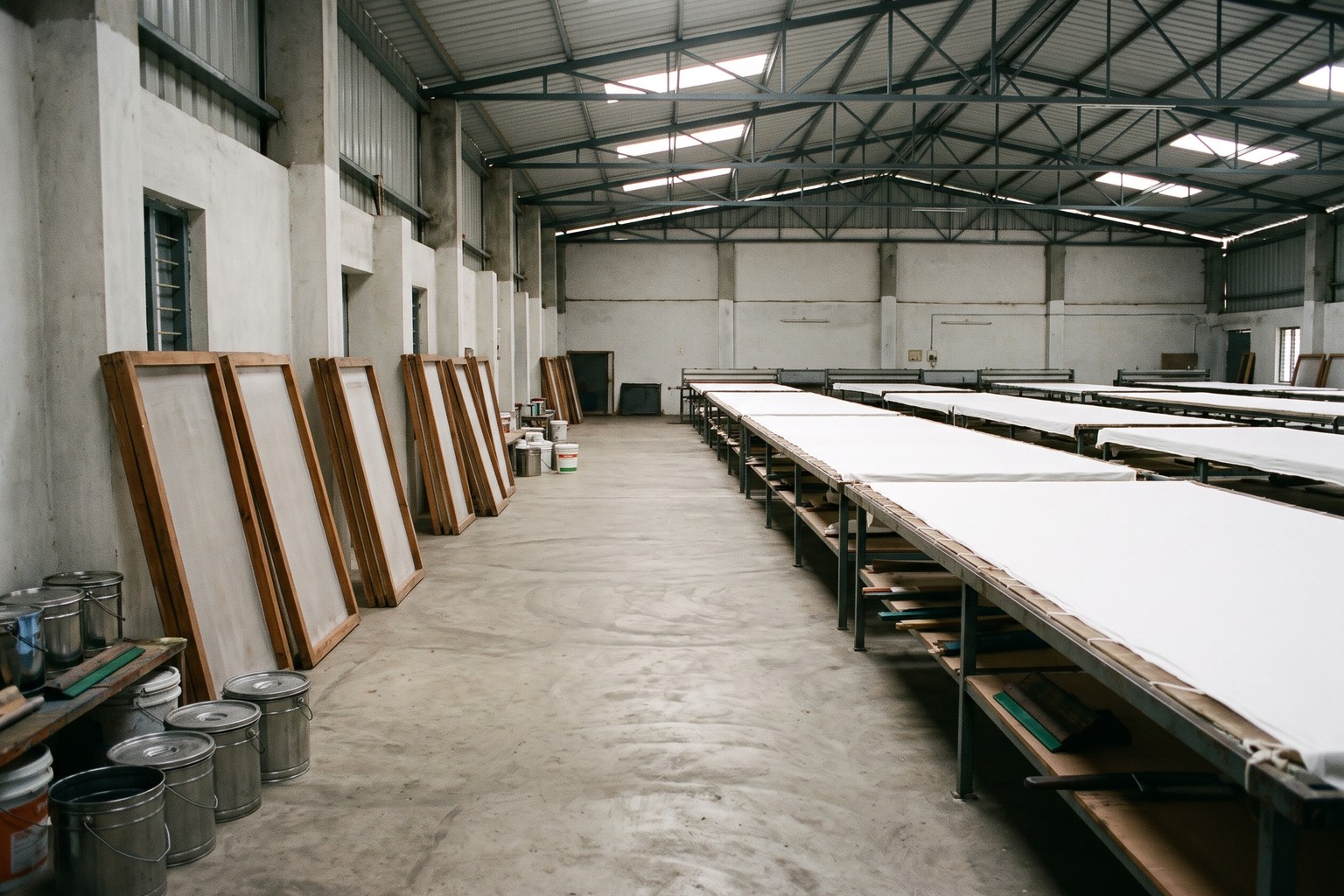
Our Internal Audit Services for Textile Processing Units
Built for units that process other owners' cloth as well as their own: dyeing, bleaching, printing and finishing houses, and the job workers who serve garment and home textile exporters.
Dyes and Chemicals Consumption Audit
Dyes, auxiliaries and chemicals issued to each batch are compared with the recipe card and the kilograms processed, and purchases pass a 5-way check of indent, order, goods received note, QC report and invoice.
Learn MoreDyeing Job Work Reconciliation
Grey fabric and yarn received from each principal are reconciled lot by lot with the inward challan, the process card, the outward delivery challan and the process loss agreed with that party, and lots open too long are listed.
See the Tiruppur Mill AuditReprocess and Shade Rejection Review
Lots sent back for re-dyeing or stripping are traced to a cause and a cost, and access to the recipe and rate masters in the ERP is tested against the firm's library of 2,500+ information-systems risks and controls.
Read the COSO ApproachWater, Steam and Boiler Fuel Cost Review
Water drawn and bought, effluent treatment running costs and boiler fuel are each worked out as a cost per kilogram processed, and fuel receipts and the stock at the boiler house can be checked on the review date.
See Cost Reduction WorkProcessing Charges Billing Test
Processing charges go through a 3-way check against the order, the delivery challan and the invoice, at the rate agreed with each principal, and GSTR-1 is reconciled with the charges billed where the scope includes Statutory Assurance.
About Revenue AssuranceReceivables From Garment Exporters
Dues are aged by principal. For a micro or small processor on Udyam, section 15 of the MSMED Act limits written credit to 45 days counted from acceptance or deemed acceptance, or 15 days without a written agreement.
Explore Internal Audit
How an Internal Audit of a Processing Unit Runs
Unit profile and lot flow
Consumption norms agreed
Lot-to-delivery tracing
Billing, dues and stores testing
Ranked findings and monthly tracking
Know which audit you are buying
Cost and Controls, Not Pollution or Buyer Compliance
Three kinds of audit reach a textile processor under similar names. An environmental or effluent compliance audit tests the unit against its consent conditions and is carried out by environmental specialists. A buyer's social or chemical compliance audit tests the unit against a brand's code and is arranged by that buyer. A financial and controls internal audit tests consumption, lot reconciliation, billing, dues and costing, and reports to the owners. Astral Business Consulting offers the third kind, and its audit treats effluent treatment as a cost head, never as a compliance opinion. Choose by the question you need answered.
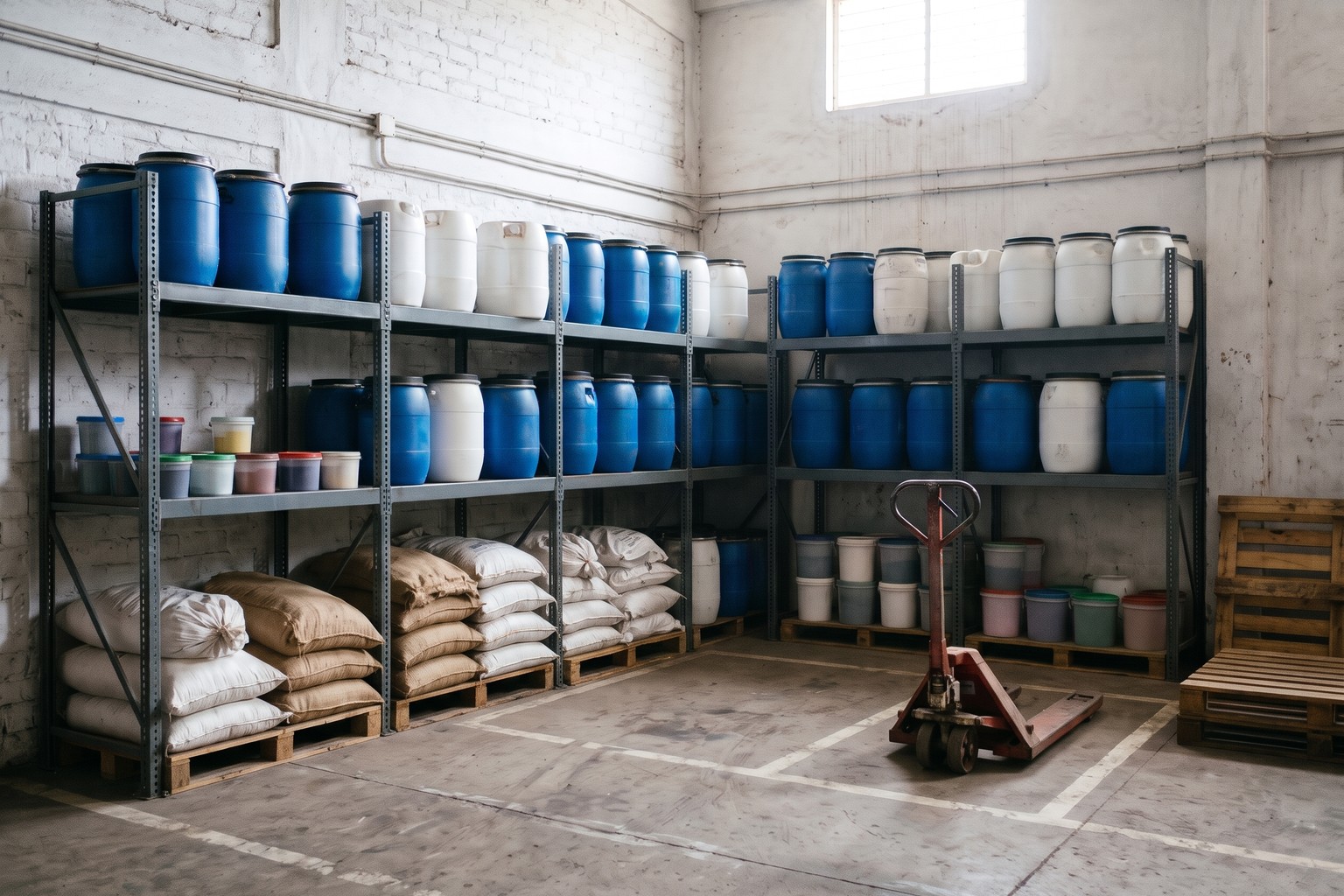
Textile processing focus
Why Choose Astral Business Consulting for Processor Internal Audit?
Follows the lot, not only the ledger
Testing starts from lot cards and challans, because a processing unit loses margin through consumption, reprocess and short billing well before the loss shows up in its trial balance.
Erode fieldwork in one annual plan
Processing units in Erode can be audited on one plan set at the start of the year, with fieldwork, stock counts and return visits on open points scheduled together.
Process and finance skills together
Cost Accountants and engineers on the team can review recipe sheets, steam use and process loss, while Chartered Accountants and information-systems auditors test billing, dues and the ERP.
Counts by the Cycle Count division
Customer cloth, lots in process and dye stores can be counted by the Cycle Count division on the agreed cut-off date, so each reconciliation rests on a physical count.
About Astral Business Consulting LLP
A Coimbatore-based management consulting and audit firm
Astral Business Consulting LLP is a Coimbatore-based management consulting and audit firm. Textiles and process manufacturing are among the industries it lists, together with engineering, dairy, chemicals and automobiles. Its internal, process and management audit work sits with the Integrated Audit division, one of four divisions alongside Cycle Count, Best Accountant and Consulting, with a separate practice head for each, answerable to a partner. The method is process-based and built on the five components of the COSO framework, and the firm reports an in-house library of 1,500+ process risks and controls and 2,500+ information-systems risks and controls. Audits run through the computer, not around it, so tests use the lot register or ERP data instead of printed vouchers. Engineers and information-systems auditors sit on the same team as its Chartered Accountants and Cost Accountants.
- Textilesamong the industries the firm lists
- Cycle Countdivision for physical stock counts
- 1,500+process risks and controls in the library
Questions About Internal Audit for Textile Processors
Who does internal audit for textile processing units in Erode?
How is internal audit in the textile industry different for a processing unit?
Can internal audit test dye and chemical consumption against the recipe?
What goes into an internal audit report for a textile processing unit?
What drives the effort and cost of internal audit at a processing house?
Does internal audit cover effluent treatment and pollution control compliance?
How often should internal audit visit a dyeing unit?
Can internal audit help settle process loss disputes with a principal?
Dyeing Units in Erode and the Western Belt
Astral Business Consulting can serve dyeing, bleaching, printing and finishing units in Erode, and processors in Tiruppur, Salem and Coimbatore. Groups whose spinning, weaving or garment units sit elsewhere can bring them into the same audit plan.
Scope an Internal Audit for Your Processing Unit
Leave your name, email and phone number and the team will respond as soon as possible. It helps to mention the processes you run, the number of principals you serve and the system that holds your lot records.
Tell us about your processing unit
Tell us a bit about you and we'll be in touch shortly.